When I think about how to create a safer home for older adults, I do not imagine turning a familiar house into a clinical space. I focus on removing everyday obstacles while preserving comfort, personality, and independence. A loose rug, dark hallway, difficult faucet, or poorly positioned chair may seem minor, but it can make routine activities unnecessarily tiring or hazardous.
The most effective approach is to observe how the resident moves through the home. Follow the routes used after waking, preparing meals, bathing, answering the door, and going to the bathroom at night. These daily routines reveal which improvements should receive priority.
Begin With a Personal Safety Assessment
Every resident has different abilities. Someone with reduced vision needs stronger lighting and visual contrast, while a person who uses a walker needs wider, unobstructed routes. Arthritis may make round doorknobs and small cabinet handles difficult to operate. Memory changes may require labels, automatic shutoffs, and simpler controls.
Ask the resident which activities feel difficult instead of making decisions without their involvement. Watch for unstable furniture, uneven flooring, trailing cords, slippery surfaces, and objects that require excessive bending or reaching. Repeat this assessment after a fall, hospital stay, medication change, or noticeable decline in mobility.
An occupational therapist can evaluate how a person performs everyday tasks and recommend changes suited to that individual. This may prevent spending money on equipment that is unsuitable or installed in the wrong position.
Remove Immediate Fall Hazards
Start with simple changes that can be completed quickly. Clear books, shoes, baskets, electrical cords, and small furniture from walking paths. Remove loose rugs or secure them with effective nonslip backing. Repair lifted carpet edges, cracked tiles, and uneven transitions between rooms.
Furniture should leave enough clearance for a cane or walker. Chairs need stable legs, supportive backs, firm seats, and armrests that make standing easier. Very low sofas and deep chairs can require considerable strength to exit.
Keep frequently used belongings between waist and shoulder height. This reduces the need to climb stools, stretch overhead, or bend toward the floor. A lightweight reacher may help with occasional items, but it should not replace sensible storage.
Improve Lighting and Visibility
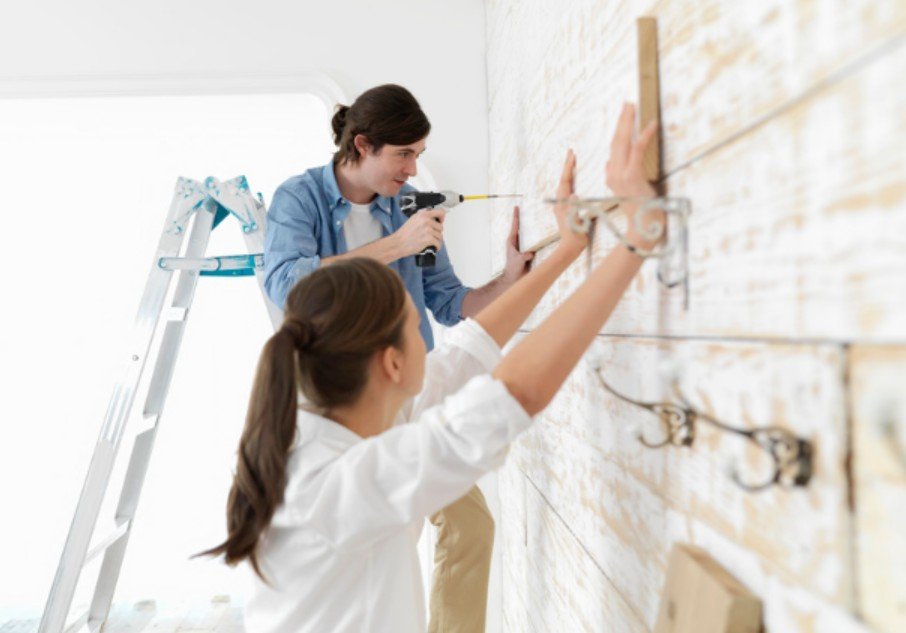
Good lighting is essential because vision often becomes less adaptable to darkness, glare, and sudden changes in brightness with age. Use even illumination throughout frequently occupied rooms and avoid leaving dark sections between bright areas.
Install accessible switches at both ends of hallways and staircases. Motion-activated nightlights can illuminate the route between the bedroom and bathroom. Bedside lamps should be reachable without leaning or standing.
Contrast also improves visibility. A contrasting strip along the edge of a step can make changes in floor level easier to recognize. Choose dishes that contrast with countertops, and avoid flooring patterns that may appear like objects or holes. Control glare with shades, matte finishes, and carefully positioned lamps.
Make Entrances and Hallways Accessible
Repair uneven paths, loose paving, damaged steps, and unstable railings outside the home.
For interior walls and other frequently used areas, choosing durable finishes can also make maintenance easier; these best paint finishes for high-traffic areas can help surfaces withstand everyday wear.
Entrances should have bright lighting, a secure handrail, and protection from rain where practical. A sturdy bench provides a safe place to sit while putting on shoes or setting down packages.
Consider a step-free entrance if mobility is declining. Ramps must have a safe slope, suitable landing space, edge protection, and dependable handrails. Major alterations should be planned and installed by a qualified professional.
Replace difficult round doorknobs with lever handles. Ensure hallways are wide enough for mobility equipment and keep decorative items away from the route. Offset door hinges may provide extra clearance without rebuilding an entire doorway.
Strengthen Stairway Safety
Stairs should have secure handrails, preferably on both sides, extending for the full flight. Repair loose steps and worn coverings immediately. Keep stairs completely free of stored objects, including laundry and packages.
Use consistent lighting from top to bottom and make switches available at both ends. The first and last steps should be easy to identify. If climbing becomes exhausting or unsteady, consider moving essential living spaces to one level before purchasing expensive equipment.
Create a Safer Bathroom
Bathrooms combine water, hard surfaces, and limited space, making careful planning essential. Install properly anchored grab bars beside the toilet and inside the shower or bathtub. Towel rails are not designed to support body weight.
A shower chair, handheld showerhead, slip-resistant surface, and low or zero-threshold entrance can reduce strain. Avoid unsecured bath mats. A raised toilet or toilet safety frame may help someone who struggles to sit and stand.
Set the water heater to a safe temperature and use lever-style faucets that are easier for stiff hands. Doors should allow assistance in an emergency and should not trap a person inside after a fall.
Organize the Kitchen for Safer Use
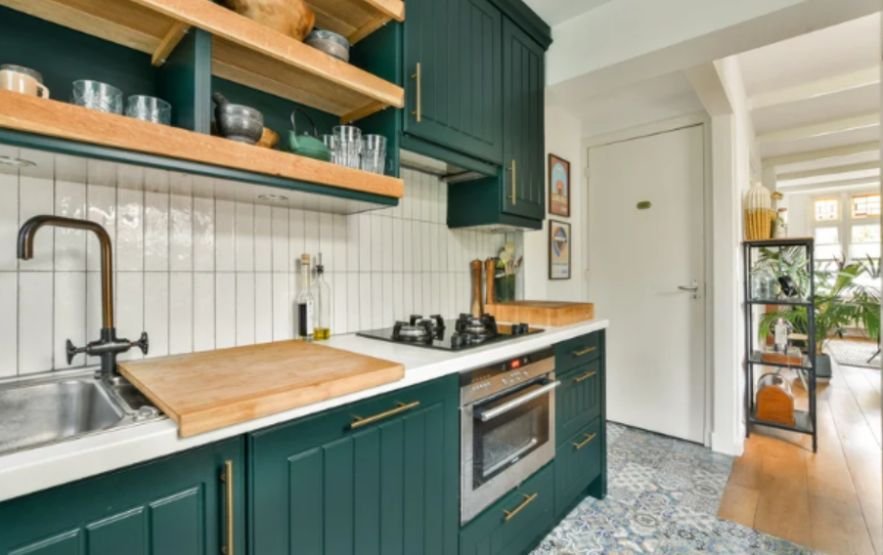
Store everyday cookware, dishes, and food where they can be reached without a step stool. Pull-out shelves and large handles can make cabinets easier to use. Place heavy objects at approximately waist level rather than overhead.
Keep flammable materials away from burners. Appliances with clear controls, timers, indicator lights, and automatic shutoffs may help prevent forgotten cooking. Check that smoke and carbon monoxide alarms are working and audible to the resident.
Provide a stable work surface where food can be prepared while seated. Clean spills immediately, keep floor routes clear, and avoid carrying heavy pans across the room.
Prepare the Bedroom for Nighttime Movement
The bed should be easy to enter and exit without climbing or dropping onto the mattress. Keep a phone, lamp, glasses, and necessary medication within comfortable reach. Leave a clear route to the bathroom and illuminate it with automatic nightlights.
Secure bed coverings so they cannot trail onto the floor. A stable chair with arms can help with dressing.
Keeping seasonal clothing organised can also make the bedroom easier to navigate and reduce unnecessary bending or searching through storage.
These ways to store seasonal clothes efficiently can help keep frequently used items accessible. Avoid relying on movable furniture for support because it may slide or tip.
Add Emergency and Technology Support
Test smoke and carbon monoxide alarms regularly. Keep emergency numbers visible and develop an evacuation plan that accounts for mobility, hearing, vision, medications, and pets.
Medical alert devices, video doorbells, smart locks, leak sensors, and voice-controlled lights can provide useful assistance. However, technology should have simple controls, reliable power, clear privacy settings, and a backup plan if the internet fails. The resident should understand and accept every device installed.
Frequently Asked Questions
1. What is the first step when improving an older person’s home?
Begin by clearing walking routes and observing daily activities. Immediate hazards such as loose rugs, poor lighting, unstable furniture, and clutter should be addressed first.
2. How can I learn how to create a safer home for older adults on a limited budget?
Prioritize free or inexpensive changes, including rearranging furniture, removing clutter, relocating essential items, adding nightlights, and securing floor coverings. Complete higher-cost modifications gradually according to risk.
3. Are grab bars necessary if the resident has never fallen?
Grab bars can provide stability before an accident occurs. They are especially valuable near toilets, showers, tubs, steps, and other areas where balance may be challenged.
4. When should a professional inspect the home?
Request professional help when mobility changes, falls occur, or structural modifications are being considered. Occupational therapists can assess individual needs, while qualified contractors should handle ramps, electrical work, and securely mounted safety equipment.
Final Thoughts
I believe a genuinely safe home should make daily life easier without taking control away from the person who lives there. Small changes often produce the greatest immediate benefit, particularly when they improve lighting, remove obstacles, and provide dependable support.
I would begin with the resident’s most frequently used routes, correct the highest risks, and reassess the environment as needs change. With thoughtful planning, the home can remain recognizable, comfortable, and supportive of long-term independence.