What if your house could quietly cut wasted electricity while you sleep, work, cook, or leave for the day? That is exactly where modern energy-saving technology for the home is changing the way American households think about utility bills.
Instead of relying only on turning off lights or adjusting the thermostat manually, I can now use smart controls, efficient HVAC systems, better insulation, advanced windows, and intelligent appliances to make energy savings happen automatically.
What makes this shift especially interesting is that the smartest upgrade is not always the most expensive one. A learning thermostat might solve one home’s biggest problem, while another household may save more through a heat pump, Low-E windows, improved insulation, or a heat pump water heater.
I prefer looking at the home as one connected energy system because that makes it easier to find where energy disappears, fix the biggest weaknesses first, and invest in technology that can deliver meaningful long-term value.
What Home Energy-Saving Technology Makes the Biggest Difference?
I would start with the systems that use the most energy. Heating and cooling deserve special attention because ENERGY STAR says they account for nearly half of the average American household’s annual energy bill.
Smart thermostats, efficient HVAC equipment, insulation, windows, and water heating can therefore matter more than adding several small gadgets. These upgrades are also central to Eco Friendly Smart Home Ideas because they combine energy-saving technology with practical improvements that can reduce unneEco-Friendlycessary household energy use. A home energy audit can help identify air leaks, weak insulation, aging equipment, and other problems before I spend money.
Are Smart Thermostats, Energy Monitors, and Smart Lighting Worth It?

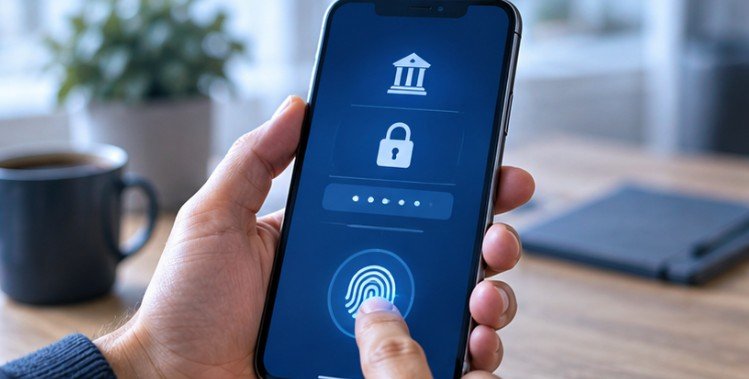
A smart thermostat can learn schedules, respond to occupancy, and reduce heating or cooling when nobody needs it. ENERGY STAR-certified smart thermostats must demonstrate energy savings using real-world field data, which gives homeowners a useful benchmark.
Home energy monitors show real-time electricity consumption and can help reveal large loads or unusual usage. I can pair that information with smart plugs and smart power strips to schedule devices or cut standby power. LED lighting is another easy upgrade, especially when efficient bulbs are paired with motion sensors or smart controls that keep lights off in empty rooms.
How Do Heat Pumps and Variable-Speed HVAC Systems Save Energy?
Heat pumps move heat rather than generating it directly. Under favorable conditions, their performance is often described as roughly 300% to 400% efficient, meaning they can deliver about three to four units of heat for each unit of electricity used. The US Department of Energy says modern heat pumps can reduce electricity use for heating by up to 75% compared with electric-resistance heating.
Variable-speed HVAC compressors can operate at lower output when a home needs only modest heating or cooling instead of repeatedly running at full output. That can improve comfort while reducing unnecessary cycling. For colder regions, I would choose equipment designed for the local climate and have it sized professionally.
Are Heat Pump Water Heaters Better Than Standard Electric Tanks?
Heat pump water heaters, also called hybrid water heaters, pull heat from surrounding air and transfer it into the tank. ENERGY STAR says certified models can use about 70% less energy than a standard electric water heater.
They can be especially attractive when an older electric tank needs replacement. I would still check available space, ambient temperature, tank capacity, electrical requirements, and household hot-water demand before buying.
Do Low-E Windows, Advanced Insulation, and Cool Roofs Really Help?

Smart controls cannot make up for a house that leaks conditioned air. Insulation and air sealing reduce the workload on heating and cooling equipment. Spray foam can seal gaps while adding insulation, while mineral wool provides strong thermal performance and fire resistance. The right material depends on the location, climate, moisture conditions, and local code.
Low-E glass uses a thin coating to reduce radiant heat transfer. Properly selected windows can help retain heat in colder climates or limit unwanted solar heat gain in warmer areas.
Cool roofs use reflective materials or coatings to absorb less solar energy. They can lower roof temperatures and reduce summer air-conditioning demand, although the benefit varies by climate and roof design.
Should I Upgrade Appliances, Solar, Batteries, and EV Charging?
When a refrigerator, dishwasher, washer, dryer, or other major appliance reaches the end of its useful life, I use ENERGY STAR certification as an efficiency benchmark. I compare purchase price with estimated annual operating cost rather than assuming the cheapest appliance will cost less over time.
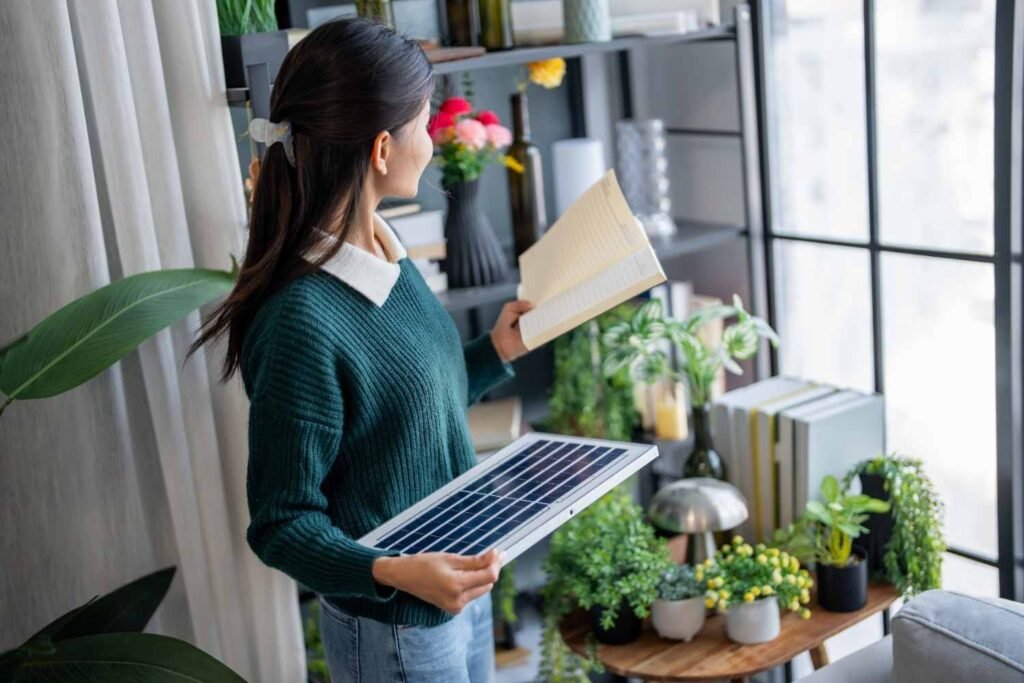
Solar panels can reduce grid electricity purchases, while home battery storage can shift stored power to later hours or provide backup capability when designed for it. Smart EV chargers can schedule charging around time-of-use rates or solar production. The economics depend on utility rates, roof exposure, financing, equipment cost, incentives, and household usage.
Which Energy-Saving Upgrade Should I Install First?

I start with the biggest source of waste. Air leaks and poor insulation may deserve attention before new HVAC equipment, especially if they contribute to a low indoor temperature during winter. High heating and cooling bills may justify a smart thermostat, duct sealing, or heat pump. An aging electric water heater may make a heat pump water heater a stronger investment.
I also check current utility rebates, state programs, and federal tax rules before purchasing because eligibility changes. The IRS advises homeowners to confirm qualifying equipment and current requirements rather than relying on older program information.
FAQs About Saving Energy With Home Technology
1. What technology saves the most energy in a house?
There is no single winner for every home. Heating and cooling upgrades, insulation, air sealing, efficient water heating, and smart controls often have strong potential because they address major household energy loads.
2. Do smart home devices really lower electricity bills?
They can when they reduce unnecessary HVAC operation, lighting, or plug loads. Automation works best when it controls equipment that would otherwise run longer than necessary.
3. Are Low-E windows worth installing?
They can improve comfort and reduce heat transfer, but full window replacement can be expensive. I would compare existing window condition, air leakage, climate, and lower-cost sealing options first.
4. How do I know if an energy upgrade will pay for itself?
I compare installed cost with estimated annual savings to calculate a simple payback period, then consider equipment life, maintenance, financing, comfort improvements, and incentives.
Final Thoughts
I would improve a home in stages: measure energy use, fix obvious leaks, improve heating and cooling, replace inefficient water heaters and appliances when needed, then add renewable energy and automation where the numbers make sense.
Used this way, energy-saving technology for the home becomes a practical system for cutting waste, controlling long-term costs, and improving everyday comfort.