Latest posts
-
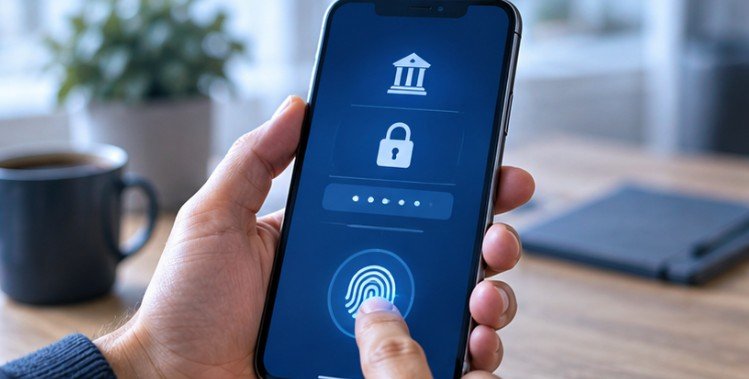
Digital Banking Security Tips That Protect More Than Your Password

A fake “fraud alert” can arrive before a criminal ever tries to crack your password. In 2025, the FBI said it had received more than 5,100 complaints about account-takeover fraud involving impersonation of financial institutions, with reported losses exceeding $262 million. FBI account-takeover fraud warning The lesson is useful: many banking attacks succeed because someone…
-
Robo Advisors Explained: What Automation Gets Right—and What It Misses

A $3 monthly investing fee sounds almost trivial. On a $500 account, however, that works out to $36 a year—more than 7% of the account balance before investment expenses or market performance enter the picture. The SEC uses essentially this example to warn investors that seemingly cheap automated advice can become expensive for small portfolios.…
-
How to Improve Credit Score Without Chasing Quick Fixes
A credit score can move because of something as ordinary as a card balance reported a few days before payday. That is why the smartest answer to how to improve credit score is not a secret hack: protect your payment history, reduce revolving balances, and make sure the data being scored is accurate. Lenders use…
-
50 30 20 Budget Rule Explained: A Simple Formula That Still Needs Judgment

A budget can fail even when the math is perfect. Real households do not live in neat percentages: rent varies by city, childcare can rival a mortgage payment, and one medical bill can wipe out a month’s “wants” category. That is why the 50 30 20 budget rule explained properly is less about obeying three…
-
How to Stop Overspending Without Making Your Life Miserable

The easiest purchase to regret is often the one that required almost no effort to make. Cornell researchers found that customers who adopted one-click checkout increased spending by an average of 28.5% over prior levels. Cornell’s one-click checkout research That helps explain why learning how to stop overspending is not simply a matter of becoming…
-
Passive Income Ideas Using Technology That Actually Scale

The useful truth about passive income is that the “passive” part usually comes last. A web tool, digital guide, paid newsletter, or template library can earn while its owner is offline, but only after someone researches demand, builds the asset, finds buyers, and automates delivery. That is why the strongest passive income ideas using technology…
-
How to Manage Money After College Without Falling Behind

Only 45% of U.S. adults ages 18–29 said they would cover a $400 emergency using cash or its equivalent in 2025. The Federal Reserve’s 2025 household survey is a useful reality check: early-career financial success is less about finding the perfect investment and more about creating enough breathing room for ordinary surprises. Learning how to…
-
Index Funds Explained Simply: Why Boring Can Be Powerful

Here is the surprising part about index investing: it is now bigger than active fund management in the U.S. long-term fund market. In July 2026, index mutual funds and ETFs held about $21.76 trillion, or 53.9% of assets across active and index long-term funds, according to the Investment Company Institute. That scale helps explain why…
-
Credit Score Mistakes to Avoid Before They Cost You Real Money

A credit score can move because of a high statement balance or a missed payment. The expensive part is not the number itself: a weaker score can affect loan approval and interest rates. That makes credit score mistakes to avoid less about chasing perfection and more about preventing avoidable damage. People can have multiple credit…
-
How Fintech Is Changing Personal Finance From Apps to Autopilot

Nearly half of banked U.S. households now use mobile banking as their primary way to access an account. That helps explain why how fintech is changing personal finance is no longer a story about shiny apps. It is a story about who—or what—makes everyday money decisions. The biggest change is subtle: financial software is moving…