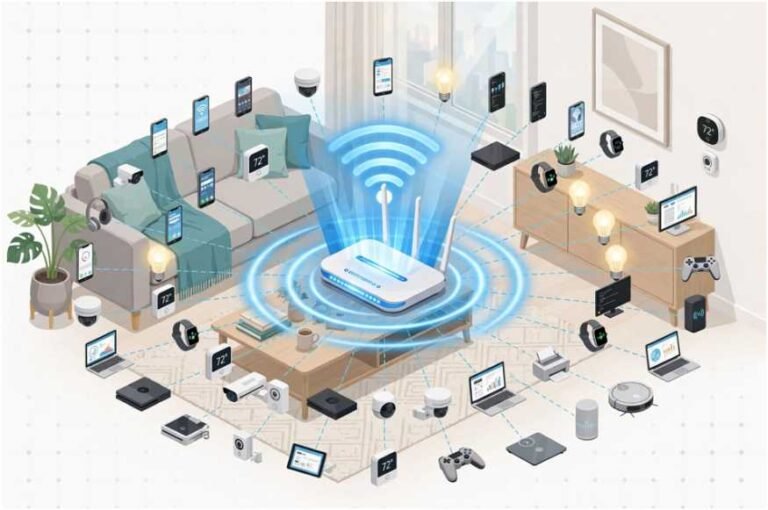
What if your home could notice when energy is being wasted before you do? That is the kind of smart home I find genuinely useful. I am far more interested in technology that quietly lowers the thermostat when nobody is home, stops sprinklers after rain, shuts down forgotten electronics, or uses sunlight more intelligently than in gadgets that simply add another notification to my phone.
The best eco-friendly smart home ideas turn everyday household routines into opportunities to save electricity, conserve water, and lower monthly utility costs. For US homeowners and renters, that can mean combining smart thermostats, LED lighting, energy monitors, automated blinds, leak sensors, efficient appliances, and renewable energy systems.
The goal isn’t to connect everything. It is to make the home smarter about what it consumes.
What Smart Home Upgrades Save the Most Energy?
I would start with heating and cooling because HVAC is one of the largest household energy loads. ENERGY STAR says heating and cooling account for almost half of the average American household’s annual energy bill. A certified smart thermostat can learn schedules, use geofencing, and reduce heating or cooling when nobody is home.
Before adding automation, I would check insulation, air sealing, ducts, and HVAC maintenance because smart controls cannot fix a house that constantly leaks conditioned air.
Is Zoned Climate Control Worth It?

Zoned climate control helps when rooms have different comfort needs. Smart radiator valves, room sensors, or multi-zone controls can reduce the need to condition the entire house equally. Smart ceiling fans can also work with thermostats or occupancy sensors so they run only when needed, while seasonal direction settings improve airflow.
How Can Smart Lighting and Daylight Harvesting Cut Waste?
LED lighting is one of the easiest efficiency upgrades. LEDs use significantly less electricity than traditional incandescent lighting and last much longer. Smart bulbs add schedules, dimming, and occupancy control, which can prevent lights from staying on in empty rooms. These automated features can also support technology for better sleep habits by allowing bedroom lights to dim gradually in the evening and shift toward warmer tones before bedtime.
Daylight harvesting takes this further. Smart blinds paired with ambient light or temperature sensors can use natural light more effectively and lower shades during hot afternoons, helping reduce glare and potentially easing the load on air conditioning.
Can Smart Plugs Stop Phantom Power?
Many electronics continue drawing electricity in standby mode. Smart plugs and power strips can cut this “vampire” or phantom load by shutting off selected entertainment systems, office equipment, chargers, and small appliances on a schedule.
I would target devices that sit idle for long periods rather than putting a smart plug on every outlet.
Which Smart Water Devices Help US Homes Save Water?

For outdoor use, smart irrigation controllers can adjust watering around local weather and soil conditions. Weather-based and soil-moisture-based systems can prevent watering when plants do not actually need it.
Inside, I would place smart leak detectors near washing machines, water heaters, dishwashers, and sinks. Smart shower heads or water-monitoring devices can also track usage and alert users when they reach a preset limit.
For new fixtures, WaterSense-labeled products give US homeowners another useful efficiency benchmark.
How Do Home Energy Monitors Find Hidden Electricity Waste?
Home energy monitors make consumption visible. Panel-level systems can show total demand in real time, while smart plugs and connected appliances can provide more specific information.
That data may reveal an appliance, pool pump, HVAC system, or entertainment setup using more power than expected. With time-of-use electricity pricing, automation can also shift flexible loads to lower-cost periods.
How Can Solar Panels, Batteries, and Smart Inverters Work Together?
Smart solar inverters can show solar production, household consumption, and grid flows. Battery storage can hold solar generation for later use or provide backup electricity during outages.
I can also schedule energy-intensive tasks such as dishwashing or EV charging closer to periods of strong solar production when the system supports it. This is where eco-friendly smart home ideas become more than isolated gadgets because generation, storage, and household consumption begin working together.
Should I Replace Appliances Just to Make My Home Smarter?

Usually, no. Replacing a working refrigerator, washer, dryer, or dishwasher only to gain Wi-Fi features can create unnecessary electronic waste.
When an appliance genuinely needs replacement, I would choose efficiency first and connectivity second. ENERGY STAR-certified products give US consumers a useful way to compare efficiency, while features such as delayed starts, maintenance alerts, and energy tracking can provide additional value.
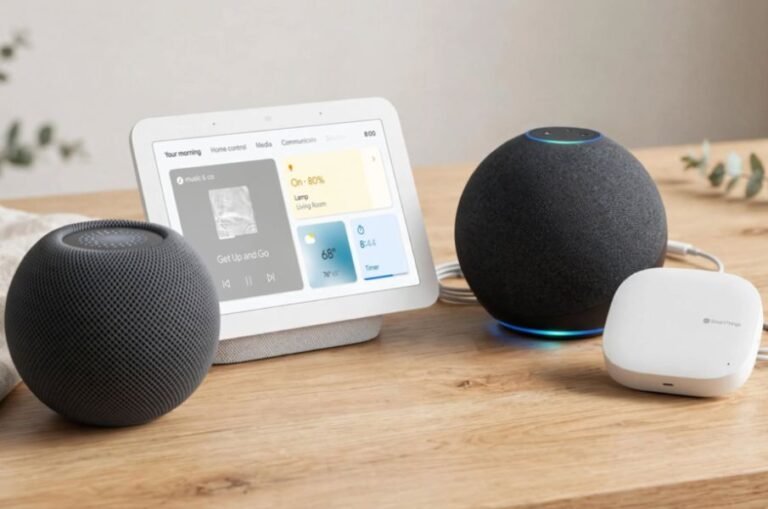
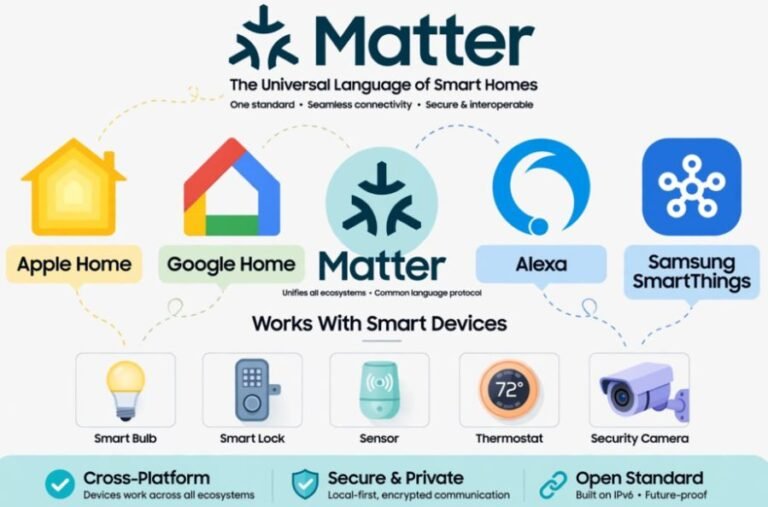
I also prefer devices with broad compatibility and reliable software support. Matter, Thread, Zigbee, and Wi-Fi products should still be checked against the rest of the home system before purchase.
When Is Smart Home Technology Not Eco-Friendly?
A connected device is not automatically sustainable. Heavy cloud dependence, frequent battery replacement, unnecessary upgrades, and short software-support lifespans can reduce the environmental benefit.
Before buying, I ask whether the product solves a real problem, how much energy or water it could realistically save, whether it requires a subscription, and whether I expect to keep using it for years.
How Can Renters Build an Eco-Friendly Smart Home?
Renters do not need major renovations to improve efficiency. Smart LED bulbs, plug-in power strips, portable energy monitors, leak sensors, removable smart blinds, and compatible thermostat accessories can provide useful automation without permanent electrical or plumbing changes.
I would favor products that can easily move to the next apartment or house.
Frequently Asked Questions (FAQs)
1. What are the best eco-friendly smart home ideas for beginners?
I would start with a compatible smart thermostat, LED lighting, smart plugs for equipment with meaningful standby use, leak sensors, and a simple energy monitor. These upgrades target common areas of household waste without requiring a complete renovation.
2. Do Smart Home Devices Actually Lower Utility Bills?
They can when they control equipment that uses meaningful amounts of electricity, heating fuel, or water. Actual savings depend on climate, utility rates, household routines, existing equipment, and how well the automation is configured.
3. Are Smart Irrigation Systems Worth It?
They can be especially useful in parts of the US where lawns and landscaping require frequent irrigation. Weather-based and soil-moisture-based controls can reduce unnecessary watering compared with rigid timer schedules.
4. What Should I Check Before Buying a Smart Home Device?
I check compatibility, expected lifespan, software support, subscription requirements, energy consumption, privacy controls, and whether the device addresses a genuine source of waste.
Final Thoughts
I do not measure a smart home by how many devices appear in its app dashboard. I measure it by how effectively it uses energy, water, and technology.
A thermostat that stops conditioning an empty house, blinds that react to afternoon heat, irrigation that knows when rain has fallen, and solar-powered products that make better use of renewable energy all deliver practical value.
When I combine those improvements with efficient appliances, good insulation, and thoughtful automation, a smart home becomes more than convenient. It becomes a home that consumes resources with greater purpose.