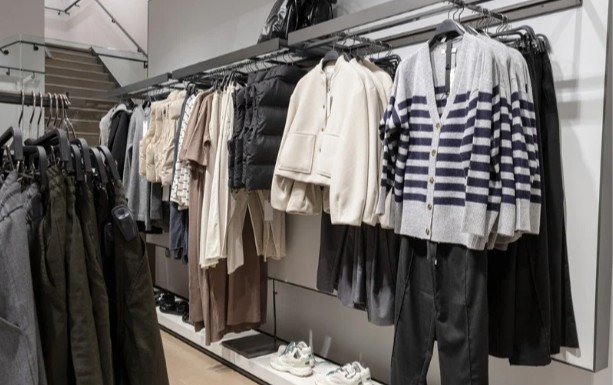
I used to treat a seasonal wardrobe change as a packing exercise: fold everything, fill a few containers, and hide them wherever space was available. That approach left me with creased coats, stretched jumpers, mystery boxes, and clothes carrying stale odours.
Learning how to store seasonal clothes efficiently changed the process completely. The best system begins with careful sorting and cleaning, uses storage suited to each fabric, and keeps every container easy to identify and retrieve.
Edit Your Wardrobe Before Storing Anything
Begin by removing every item that will not be needed during the coming season. Examine each garment and decide whether to keep, repair, donate, sell, recycle, or discard it. Storage space should not be occupied by clothes that no longer fit, feel comfortable, or suit your lifestyle.
Ask whether you wore each piece during its most recent season. If not, consider why. A garment that needs a small alteration may be worth keeping, while something repeatedly ignored may be ready for a new owner.
Complete repairs before packing. Replace missing buttons, mend loose seams, fix damaged hems, and address faulty zips. Taking care of these tasks now ensures that your wardrobe is wearable when the season changes again.
Clean and Dry Every Garment
Wash or dry-clean clothing according to its care label. Clothes that look clean can still contain perspiration, body oils, perfume, food particles, and barely visible stains. These residues may darken over time, create unpleasant smells, or attract fabric pests.
Treat stains before washing because they can become much harder to remove after several months. Check collars, cuffs, underarms, and pockets carefully. Empty pockets completely so that pens, sweets, receipts, cosmetics, or tissues cannot damage nearby fabric.
Never pack clothing that feels even slightly damp. Moisture trapped inside a container encourages mildew and musty odours. Allow garments to dry naturally or complete their drying cycle before giving them extra time to cool and air.
Sort Clothing Into Useful Groups

Create categories that will make sense when you retrieve the clothes. Sorting everything only as “warm weather” or “cold weather” can leave you searching through several boxes for one item.
Group garments by type, such as knitwear, coats, dresses, casual tops, formal clothing, sportswear, and swimwear. In a shared household, separate them by person as well. Children’s clothes can be organised by size so outgrown items are easy to identify.
Keep a small transitional collection outside long-term storage. A light jacket, cardigan, raincoat, or versatile layer may be needed when the weather changes unexpectedly.
Select the Right Storage Containers
There is no single container suitable for every garment. Clear plastic bins with fitted lids work well for clean, completely dry, everyday clothing. They resist dust, stack easily, and allow you to see some of the contents. Unlike a foam food container, which is intended for temporary food storage, proper clothing bins offer the size, durability, and protection needed for seasonal garments. Opaque containers provide better protection from light but require more detailed labels.
Breathable cotton or canvas bags may be more appropriate for natural fibres and delicate garments. Valuable, vintage, embroidered, or fragile clothing should be protected with uncoloured acid-free tissue and placed in an archival-quality box.
Avoid using cardboard boxes for extended storage. Cardboard absorbs moisture, provides limited protection from pests, and can transfer odours. Remove long-term garments from thin dry-cleaning plastic because it can trap moisture and does not provide suitable airflow.
Clean and dry reusable containers before filling them. Even a good container can transfer dust, moisture, or smells to freshly washed clothing.
Use Vacuum Bags With Care
Vacuum bags can reduce the volume of bulky, resilient synthetic garments. They are particularly useful where wardrobe and under-bed space is limited. However, maximum compression is not always the safest storage method.
Do not vacuum-seal leather, delicate wool, vintage garments, structured coats, or down-filled clothing unless the manufacturer specifically approves it. Extended compression may flatten insulation, stress fibres, alter a garment’s shape, or create deep creases.
Avoid overfilling compression bags, and check them during longer storage periods. Space saving should never come at the expense of the garment’s condition.
Know What to Fold and What to Hang
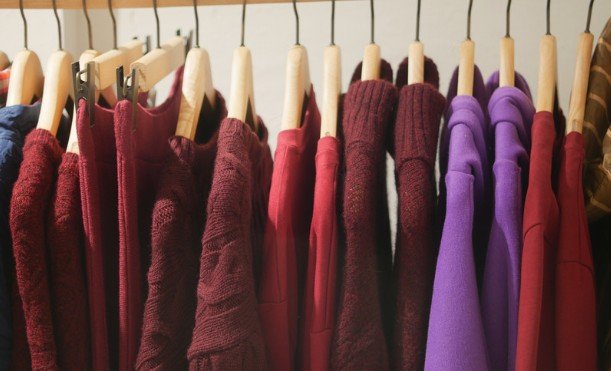
Fold sweaters, heavy knitwear, and garments that may stretch under their own weight. Place heavier pieces at the bottom of a container and lighter items above them. Pack loosely enough to prevent crushing and allow delicate details to retain their shape.
Hang structured suits, coats, dresses, and easily creased clothing when appropriate. Use sturdy hangers that fit the garment’s shoulder width. Thin wire hangers can create pressure points and distort shoulders during storage. Similar attention to durability matters when choosing paint finishes for high traffic areas, especially in busy closets and dressing spaces.
Protect hanging pieces with breathable garment bags. Do not crowd them tightly together. For delicate folds, place acid-free tissue between layers and around decorative elements. Refolding valuable items occasionally can prevent permanent crease lines.
Choose a Stable Storage Location
Store clothing in a clean, dark, cool, and dry part of the home. A high wardrobe shelf, spare closet, under-bed area, or storage bench can work well when temperature and humidity remain reasonably stable.
Avoid damp basements, hot roof spaces, and garages exposed to large temperature changes. Humidity can encourage mildew, while heat and sunlight may fade colours and weaken fibres. Keep containers off potentially damp floors by using secure shelving.
If clothing must be kept outside the main living area, inspect the location for leaks, pests, condensation, and direct sunlight. Valuable garments benefit from a climate-controlled environment.
Protect Clothes From Pests and Odours
Clean clothing is the foundation of pest prevention. Inspect wool, cashmere, silk, fur, and other natural materials for larvae, webbing, holes, or surface damage before packing them.
Cedar blocks and lavender sachets can add a mild scent, but finding a safer fragrance does not replace cleaning, suitable containers, and regular inspection. Keep scented products from touching the fabric directly, as their oils may cause stains or discolouration.
Do not use fragrance to disguise a musty smell. Find the source, which may be damp clothing, footwear, an unclean container, or excess humidity. Correcting the cause is more effective than covering the odour.
Label and Inventory Every Container

Use specific labels such as “Cold Season—Jumpers—Guest Closet” instead of writing only “Clothes.” Place a label on the lid and on the outward-facing side so it remains visible when boxes are stacked.
Numbering containers makes them easier to track. Keep a simple list on your phone showing what each numbered box contains and where it is stored. This is especially useful for large households or limited spaces.
Position frequently needed boxes near the front. Special-occasion pieces and items unlikely to be retrieved early can occupy higher or less accessible areas.
Frequently Asked Questions
1. What is the simplest way to learn how to store seasonal clothes efficiently?
Use the same sequence every season: edit, repair, clean, dry, sort, pack, label, and store. A repeatable routine prevents skipped steps and reduces wardrobe clutter.
2. Are plastic bins better than fabric bags?
Plastic bins protect durable, dry clothing from dust and pests. Breathable fabric bags are often more suitable for delicate pieces and natural fibres. Choose according to the garment rather than convenience alone.
3. How do I prevent clothes from smelling musty?
Ensure everything is fully dry, clean the containers, and select a low-humidity indoor location. Inspect stored garments periodically instead of relying on strong fragrances.
4. Should seasonal shoes be stored with clothes?
Shoes should be cleaned, dried, and stored separately so dirt and odours do not transfer. Support tall boots and place footwear in labelled boxes or breathable bags.
A More Reliable Wardrobe Routine
I now see seasonal storage as a simple form of garment care rather than a hurried attempt to hide clutter. When I clean every piece, choose materials carefully, and label containers properly, the next wardrobe change becomes much easier. A thoughtful system protects favourite clothes, frees everyday space, and prevents forgotten items from disappearing at the bottom of an unmarked box.