Working remotely gives me freedom that a traditional office rarely can, but it also creates a strange productivity problem: home and work happen in the same place. A phone notification, an unfinished household task, or one unnecessary meeting can quickly derail a focused morning.
The best productivity hacks for remote workers are not complicated systems. They create clearer boundaries, reduce distractions, protect deep work, and make it easier to stop working when the day is over. For US employees working from home or across distributed teams, I believe the following strategies offer the most practical place to start.
How Do I Create a Productive Work-From-Home Environment?
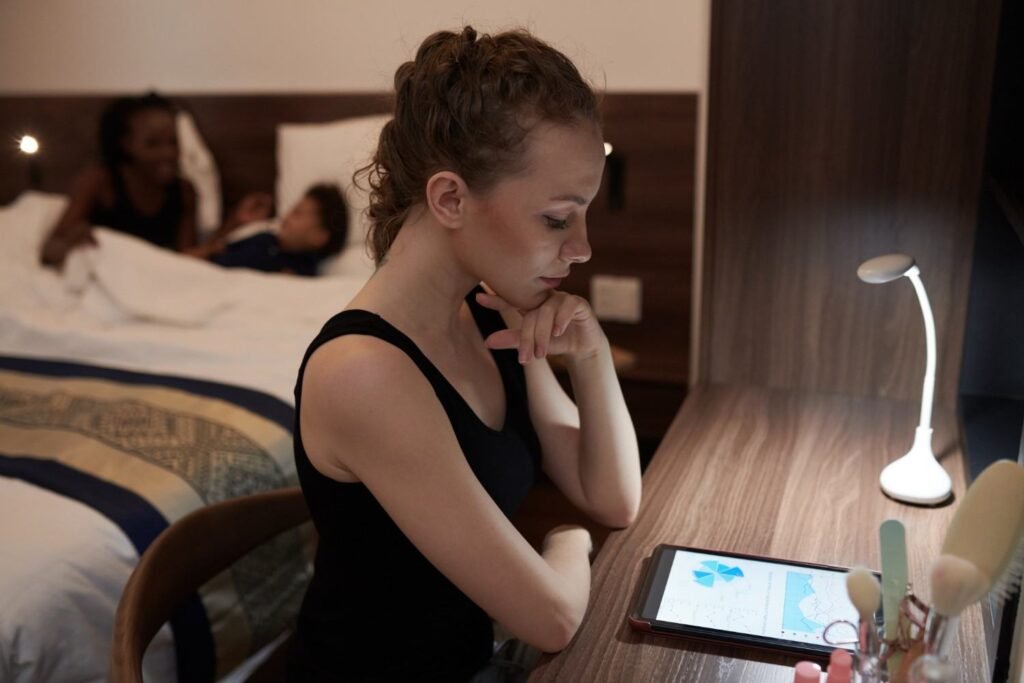
A dedicated workspace is one of the strongest foundations for remote work productivity. Guidance from NJIT (The New Jersey Institute of Technology) and Ross Education also emphasizes creating boundaries and reducing household interruptions.
I do not think everyone needs a separate home office. A permanent desk, a quiet corner, or one consistent section of a room can work. What matters is teaching your brain that this space means work.
Ergonomics also affects focus. I position my monitor comfortably, keep frequently used items nearby, and avoid clutter that competes for attention.
Get Dressed Before Starting Work

Changing out of sleepwear may sound insignificant, but it creates a useful mental transition. Comfortable work clothes signal that personal time has ended and the workday has started.
The same principle applies at the end of the day. Changing clothes or leaving the workspace helps create separation between professional and personal life.
Hide Your Phone Before Deep Work
A phone does not need to make a sound to become distracting. Simply seeing it can tempt me to check messages.
I place mine outside immediate reach during important work or enable Do Not Disturb. The goal is to remove the decision entirely instead of repeatedly resisting notifications.
Should Remote Workers Simulate a Daily Commute?
A useful idea discussed by remote workers online is creating a “fake commute.” Instead of moving directly from breakfast to a laptop, take a short walk before starting work.
A 10-minute walk around the neighborhood can provide the transition that commuting once created. I also like the idea after work because it gives the brain a clear ending signal.
For employees who spend most of the day sitting, that extra movement has another obvious benefit.
How Can I Prevent Family or Roommates From Interrupting Work?
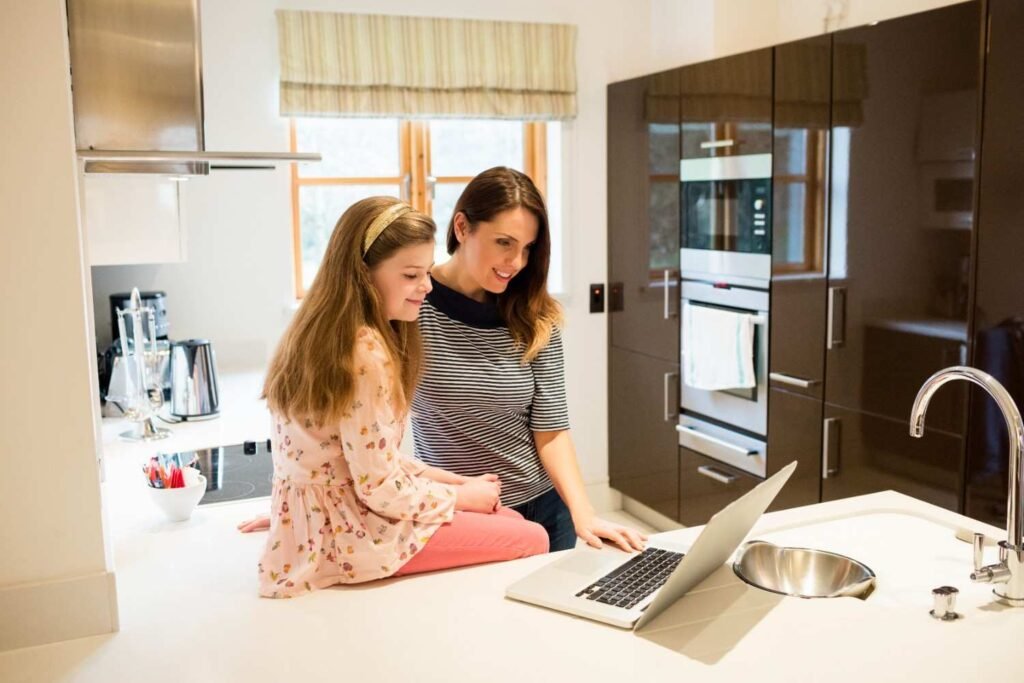
Remote work boundaries become much easier when everyone at home understands them.
I recommend clearly communicating working hours, meeting periods, and times when interruptions should be limited. A closed door, headphones, or another simple visual signal can also help.
This matters especially when multiple people work or study from the same home.
Use the Top 3 Rule Before Opening Email

I try not to let my inbox decide what matters most.
Before opening email, Slack, or Microsoft Teams, I identify three priorities: one task I must finish, one I should finish, and one that would be nice to finish.
This “Top 3” approach creates direction without turning the day into an unrealistic 20-item to-do list.
For US remote teams spread across Eastern, Central, Mountain, and Pacific time zones, planning first is particularly useful because messages may already be waiting when you log in.
Does Time Blocking Actually Improve Remote Work Productivity?
Time blocking gives important work a protected place on the calendar.
I divide the day into periods for deep work, communication, meetings, and administrative tasks rather than switching constantly between them. Some workers find color-coded calendar blocks helpful because they make the day’s structure immediately visible.
I also schedule demanding work around my peak-energy hours. If I think most clearly at 9 a.m., that time should go toward writing, coding, analysis, or problem-solving rather than routine inbox management.
Stop Multitasking and Protect Deep Work
Multitasking often feels productive because several activities are open simultaneously. In practice, switching repeatedly between email, Slack, documents, meetings, and browser tabs destroys concentration.
When I write, I try to only write. When I answer messages, I answer messages.
Reducing context switching is one of the productivity hacks for remote workers that can improve the quality of a workday without adding another app or complicated system.
When Should I Use the Pomodoro Technique?
The Pomodoro Technique is particularly useful when starting feels harder than doing.
The classic approach involves 25 minutes of focused work followed by a five-minute break. A large project suddenly feels less intimidating when the immediate commitment is only 25 minutes.
However, I do not interrupt myself when I am already deeply focused. Productivity methods should support concentration, not break it.
Batch Slack, Email, and Microsoft Teams Messages

Staying permanently available creates constant context switching.
Instead, I prefer scheduled communication windows whenever my role allows it. Koalendar also discusses structured approaches to remote productivity and scheduling.
Employees in customer support, emergency response, or other real-time roles may need constant availability. Many knowledge workers do not.
Tools such as Microsoft Teams, Slack, and email work better when they support work instead of controlling it.
Replace Unnecessary Meetings With Async Communication
Not every update deserves a meeting.
A written status update, project document, or recorded explanation can often replace 30 minutes on everyone’s calendar. Asynchronous communication becomes especially valuable when US teams operate across several time zones.
Good documentation matters here. Decisions should remain searchable rather than disappearing inside video calls.
Use a Minimal Remote Work Tool Stack
I prefer a small number of tools that each have a clear purpose.
Todoist or Asana can manage tasks. Google Calendar or Koalendar can organize meetings and focus blocks. Notion or Obsidian can store notes, processes, and templates. Slack or Microsoft Teams can handle team communication.
Adding more software does not automatically create more productivity. The best system is usually the simplest one employees will consistently use.
Use AI and Automation for Repetitive Tasks
AI can help with meeting summaries, research organization, routine drafts, first-pass outlines, and repetitive administrative work.
I use automation to save time on low-value tasks while keeping human judgment where it matters.
Remote employees should also follow employer policies before entering customer records, contracts, financial information, or confidential business data into AI systems.
Take Real Breaks During the Workday
Remote workers lose many natural office movements. There is no walk to another meeting room or coworker’s desk.
I intentionally step away from the screen, stretch, get water, eat lunch away from my workspace, or take a short walk.
Scrolling social media at the same desk does not provide the same mental reset.
End the Day With a Shutdown Ritual
At the end of the workday, I review unfinished tasks, identify tomorrow’s priorities, close work applications, and physically leave my work area.
A short evening walk can double as the simulated commute home.
This routine prevents work from quietly expanding into dinner, family time, and the rest of the evening.
Measure Results Instead of Online Hours
Remote productivity should not mean keeping a green status icon active for eight hours.
I would rather measure whether important work gets completed, deadlines are met, communication stays clear, and projects move forward. Even practical routines such as finding better ways to organize digital files can support this by reducing time wasted searching for documents and improving day-to-day workflow.
Managers can reinforce this by emphasizing results instead of constant digital visibility. That reduces performative productivity and gives employees more control over how they accomplish their work.
Frequently Asked Questions (FAQs)
1. What is the best productivity hack for working from home?
I would start with a consistent workspace and clear working hours. Those two habits create physical and psychological boundaries that make it easier to concentrate during work and disconnect afterward.
2. How can remote workers stay focused all day?
Avoid trying to maintain maximum concentration for eight straight hours. Schedule difficult tasks during peak-energy periods, reduce notifications, batch communication, and take genuine breaks between focus sessions.
3. Is Pomodoro or time blocking better for remote work?
They solve different problems. Pomodoro works well when procrastination or starting a task is difficult. Time blocking works better for organizing an entire workday and protecting periods for deep work.
4. What tools do remote workers need to stay productive?
Most people only need tools for tasks, scheduling, documentation, and communication. Platforms such as Todoist, Asana, Google Calendar, Koalendar, Notion, Obsidian, Slack, and Microsoft Teams can cover those needs.
Final Thoughts
The most useful productivity hacks for remote workers usually solve one of three problems: unclear boundaries, fragmented attention, or poor time management.
I would start with whichever issue causes the most disruption. Create a permanent workspace if home and work blur together. Hide your phone if distractions dominate the day. Use the Top 3 rule if priorities feel unclear. Try time blocking if meetings and messages keep consuming your schedule.
Remote productivity does not come from squeezing activity into every minute. It comes from protecting enough uninterrupted time to do meaningful work and creating a clear point when work ends.