
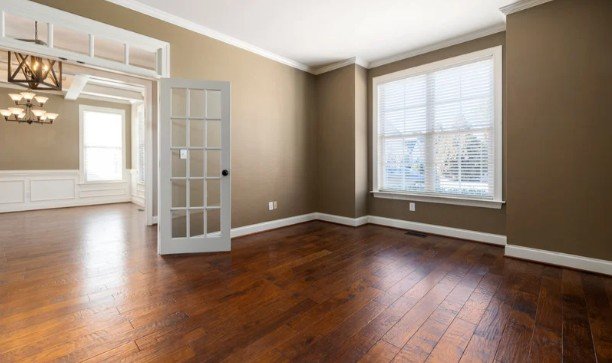
I know that choosing a floor for an active home involves more than finding a colour or pattern that looks attractive. Children, pets, muddy shoes, spills, dropped objects and frequently moved furniture can expose weaknesses surprisingly quickly.
When comparing the best flooring options for busy households, I look at water protection, scratch resistance, comfort, cleaning requirements and repair costs. The strongest choice is not necessarily the hardest material; it is the surface that suits the room, daily routine and household budget without creating constant maintenance.
What Makes Flooring Suitable for an Active Home?
A family-friendly floor must tolerate repeated wear while remaining manageable. Entryways need resistance to grit and moisture, kitchens require easy spill cleanup, and living areas benefit from comfort and quieter acoustics. Homes with large dogs may need scratch-resistant finishes, while families with young children might prioritise softer surfaces and slip resistance.
Maintenance should also influence the decision. A material that requires specialised products, immediate spill removal or regular refinishing may become inconvenient. Repairability matters too. Individual planks or tiles that can be replaced are often more practical than a continuous surface that requires extensive removal after localised damage.
Luxury Vinyl Plank for Balanced Performance
Luxury vinyl plank is a strong all-around option because it combines water resistance, resilience and realistic wood or stone designs. Its slightly forgiving surface feels more comfortable than tile and can reduce the sound of footsteps.
Quality varies considerably. Buyers should examine the wear layer, overall construction, warranty and manufacturer-approved cleaning method. A thick product is not automatically more durable if its protective surface is weak. Waterproof planks can withstand surface spills, but moisture may still reach the subfloor through edges, walls or poorly sealed transitions.
LVP works particularly well in kitchens, family rooms, hallways, laundry spaces and finished basements. Damaged click-lock planks may be replaceable, although reaching a plank in the middle of a room can require removing several surrounding rows.
Porcelain Tile for Wet and Demanding Areas

Porcelain tile is exceptionally resistant to water, stains and everyday abrasion. It performs well in bathrooms, mudrooms, kitchens and entrances where wet footwear and frequent cleaning are expected. Textured or matte finishes are preferable in areas that may become slippery.
Its durability comes with compromises. Tile feels cold and hard, dropped dishes break easily, and falls may be more painful. Grout can also collect dirt unless it is properly installed, sealed where required and maintained. Underfloor heating and strategically placed washable rugs can improve comfort without sacrificing durability.
Professional installation is often worthwhile because uneven subfloors, incorrect adhesive coverage and poorly planned movement joints can result in cracked tiles or grout.
Waterproof Laminate for Affordable Style
Modern laminate can provide convincing wood visuals at a relatively accessible price. Its protective top layer generally handles scratches and ordinary foot traffic well, making it suitable for living rooms, hallways and bedrooms.
However, waterproof and water-resistant are not interchangeable descriptions. Some products tolerate spills only for a specified period, and exposed edges remain vulnerable if liquid is left standing. Product instructions should be checked carefully before laminate is installed in kitchens, bathrooms or below-grade rooms.
An appropriate underlayment can improve sound absorption and comfort. It may also help smooth minor imperfections, but it cannot correct a seriously uneven or moisture-damaged subfloor. Addressing hidden dampness is equally important when using natural ways to keep closets smelling fresh, since persistent moisture can cause musty odors.
Engineered Hardwood for Long-Term Character
Engineered hardwood offers the warmth and natural variation of timber with better dimensional stability than many solid-wood installations. It can be an appealing premium option for dining rooms, lounges and bedrooms.
Busy homes should select harder species, durable factory finishes and low-sheen surfaces that conceal minor marks. Light or medium tones, visible grain and subtle colour variation tend to disguise dust and scratches more effectively than smooth, dark, glossy boards.
Wood still requires sensible protection. Water should be wiped up promptly, furniture needs felt pads, and entrance mats should capture grit. Refinishing potential depends on the thickness of the real-wood surface, so buyers should not assume every engineered board can be sanded repeatedly.
Performance Carpet for Comfort and Noise Control
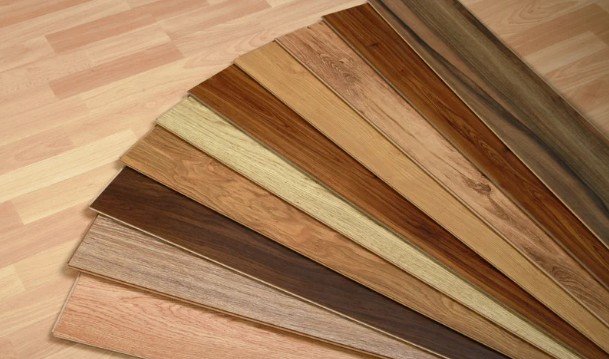
Carpet remains valuable in bedrooms, upper-floor rooms and family spaces where warmth, softness and noise reduction matter. Dense, low-pile carpet is generally easier to vacuum and more resistant to crushing than deep, plush alternatives.
Households with pets should be cautious with loop-pile construction because claws can catch in the loops. Stain-resistant fibres, solution-dyed colours and replaceable carpet tiles can make accidents easier to manage. A multicoloured or patterned surface may conceal everyday marks better than a uniform pale shade.
Carpet is less appropriate in entrances, kitchens and other moisture-prone spaces because it can trap dirt, odours and allergens when cleaning is delayed.
Sheet Vinyl for Practical Budget Renovations
Sheet vinyl is often overlooked, but its limited number of seams makes it useful in bathrooms, utility rooms and compact kitchens. It is water resistant, comfortable underfoot and generally simple to clean.
The main limitation is repairability. A cut or burn can be difficult to disguise, particularly when spare material is unavailable. Careful subfloor preparation is essential because bumps and imperfections may eventually become visible through the surface.
Choose Flooring Room by Room
Using one material everywhere creates visual continuity, but it may force unnecessary compromises. Porcelain can manage wet entrances, vinyl can support a busy kitchen, carpet can quiet bedrooms, and engineered wood can bring warmth to formal living areas.
A coordinated colour palette can connect these surfaces without requiring them to match exactly. Transition strips, plank direction and floor height should be planned before installation so adjoining rooms feel intentional and doors operate correctly.
Specifications Worth Checking Before Buying
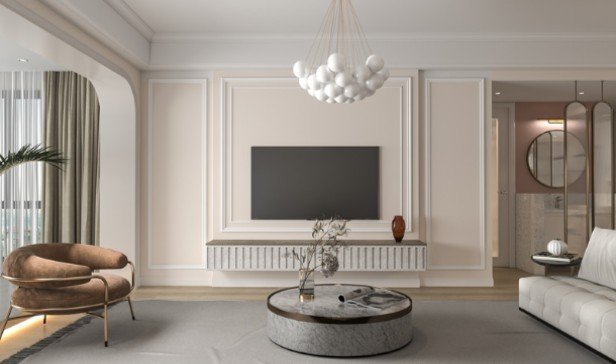
Look beyond colour and advertised durability. Examine water-exposure limitations, wear ratings, finish warranties, cleaning restrictions and installation requirements. Ask whether individual pieces can be replaced and whether the warranty covers labour or only replacement material.
Take flooring samples home and observe them in daylight and artificial light. Scratch them gently with a non-damaging test object, place crumbs or pet hair on them, and check how visible the mess appears. A slightly textured, varied finish often hides daily wear better than a perfectly smooth, solid-coloured surface.
Mistakes That Can Shorten a Floor’s Life
Choosing solely by price can result in weak locking systems, thin finishes, or limited warranties. Dark glossy surfaces often reveal dust, scratches, and footprints. Deep-pile and knotted pile carpet may require extra care in busy areas and can trap more dirt, while deep-pile styles may flatten in hallways. Untreated wood near an exterior door can also suffer from tracked-in moisture.
Installation shortcuts are equally risky. Flooring can fail when it is placed over a damp, uneven or contaminated subfloor. Materials also need the correct expansion space and, where specified, time to adjust to the installation environment.
Frequently Asked Questions
1. What are the best flooring options for busy households with pets?
Best flooring options for busy households with pets commonly include quality luxury vinyl, textured porcelain tile and scratch-resistant laminate. The right selection depends on the animal’s size, activity level, accident risk and the amount of moisture entering the room.
2. Which flooring is easiest to clean?
Luxury vinyl, sheet vinyl and porcelain tile are among the easiest surfaces to sweep and damp-clean. Always follow the manufacturer’s instructions because excessive water, steam and abrasive products can damage certain finishes.
3. Is hardwood suitable for children and pets?
Yes, but the species, finish and household expectations matter. A durable matte finish and visible wood grain can make minor wear less noticeable. Mats, furniture pads and prompt spill cleanup provide additional protection.
4. Should every room have the same flooring?
Not necessarily. Coordinating several materials can deliver better performance because each room presents different moisture, comfort, noise and traffic demands.
Final Thoughts
I would choose flooring by matching its strengths to the way each room is actually used. Luxury vinyl offers the most balanced performance for many active homes, porcelain excels around moisture, laminate provides affordable style, and carpet improves comfort and acoustics.
Engineered wood remains attractive when owners accept its maintenance needs. In my view, careful specification, subfloor preparation and professional-quality installation matter just as much as the material itself.














One thought on “Best Flooring Options for Busy Households: Durable Choices”