
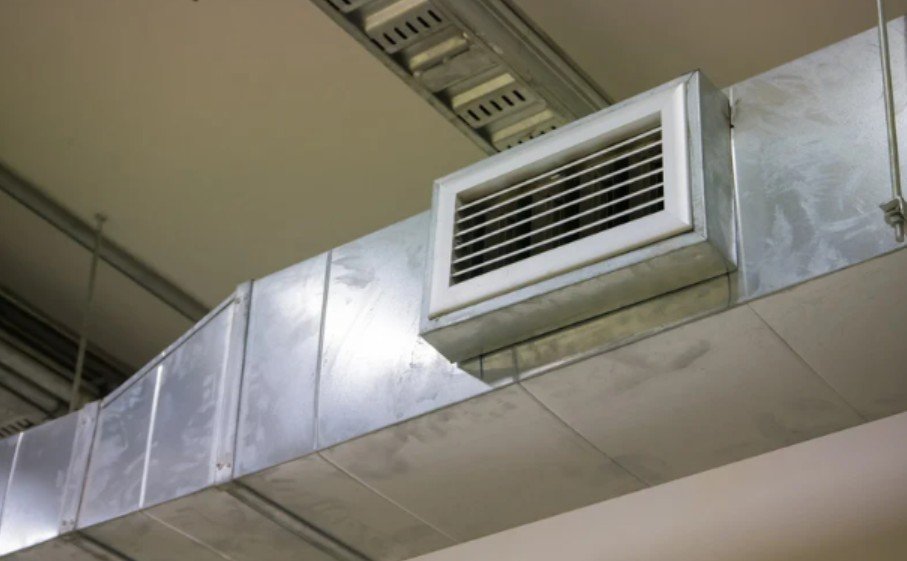
When a room feels stuffy, smells linger, or windows remain wet, it is easy to blame the weather or housekeeping. I have found that these seemingly minor problems often reveal something more important: indoor air is not being replaced effectively. Recognizing the signs your home has poor ventilation early can help prevent mold, damaged finishes, uncomfortable rooms, and declining indoor air quality.
Ventilation is different from simple air circulation. A ceiling fan moves existing air around a room, while ventilation removes stale, humid, or polluted air and introduces cleaner outdoor air. Filtration also serves a separate purpose by trapping certain airborne particles. A healthy home may need all three processes working together.
1. Condensation Remains on Windows
A small amount of temporary condensation can occur when warm indoor air meets cold glass. However, windows that remain wet for hours, develop puddles along the sill, or fog repeatedly may indicate excessive indoor moisture.
Pay particular attention after showering, cooking, or drying laundry. Persistent moisture can damage wooden frames, soften drywall, and encourage microbial growth. Check whether bathroom and kitchen exhaust fans are removing humid air instead of merely making noise.
2. Musty or Cooking Odors Linger
Effective ventilation should gradually remove everyday smells. If cooking aromas remain until the following day or a bedroom smells stale after being closed overnight, the room may not receive enough fresh air.
A musty odor deserves closer investigation because it can accompany hidden moisture or mold. Look behind large furniture, inside closets, beneath sinks, and around window frames. Fragrances and air fresheners may disguise the smell temporarily, but they do not correct its cause.
3. Mold and Mildew Keep Returning
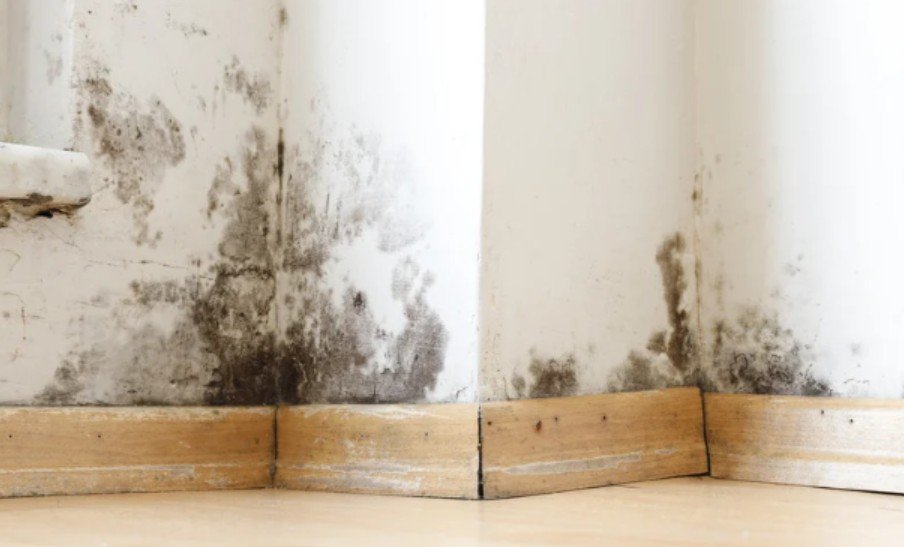
Mold commonly develops where moisture, a suitable food source, and time are present. Bathrooms, kitchens, basements, closets, and exterior-wall corners are frequent problem areas.
Cleaning a small patch may improve its appearance, but recurring growth suggests that moisture continues to accumulate. Ventilation may be part of the problem, although plumbing leaks, roof damage, groundwater, or poor insulation should also be investigated. Extensive or repeatedly returning mold should be assessed professionally.
4. Rooms Feel Stuffy or Sticky
A room can feel uncomfortable even when its temperature appears normal. Stale air, elevated humidity, accumulated odors, and airborne contaminants can create a heavy or sticky sensation.
Notice whether the space feels fresher shortly after a window or exterior door is opened. That improvement can suggest inadequate air exchange, although it is not a complete diagnosis. Opening windows is unsuitable when outdoor smoke, pollution, severe weather, or high pollen levels could make indoor conditions worse.
5. Symptoms Become Worse Indoors
Sneezing, coughing, irritated eyes, headaches, fatigue, and breathing discomfort can have many causes. However, symptoms that regularly become worse inside a particular room and improve after leaving deserve attention.
Poor air exchange can allow dust, pet dander, mold spores, chemical vapors, and other contaminants to accumulate.
Improving the bedroom environment can also reduce exposure to common indoor irritants. These practical steps on how to reduce allergens in the bedroom cover bedding, dust, humidity, air filtration, and other potential triggers.
These symptoms do not prove that ventilation is responsible, so persistent health problems require appropriate medical advice and an inspection of the indoor environment.
6. Paint or Wallpaper Starts Deteriorating

Excess moisture may cause paint to bubble, wallpaper to peel, plaster to crumble, or wooden trim to swell. Rust marks around fasteners and dark staining near ceilings can also indicate a moisture problem.
These clues are especially important in bathrooms, laundry rooms, kitchens, and poorly heated corners. Before repainting, determine whether the moisture comes from condensation, a leak, or water entering through the building envelope. Covering the damage without correcting the source allows it to return.
7. Temperatures Vary Sharply Between Rooms
A bedroom that remains hot while nearby rooms are comfortable may have restricted circulation. Blocked supply vents, closed interior doors, damaged ducts, insufficient return-air pathways, or an improperly balanced HVAC system can all contribute.
Temperature differences do not automatically mean the home lacks outdoor-air ventilation. Insulation defects, direct sunlight, leaky windows, and undersized equipment can create similar conditions. A professional airflow or pressure test can distinguish between these possible causes.
8. Dust Returns Soon After Cleaning
Every occupied home contains dust. Unusually rapid buildup, however, may indicate dirty filters, leaking ducts, excessive outdoor-air infiltration, or inadequate air movement.
Replace or clean filters according to the equipment manufacturer’s instructions and keep supply and return grilles unobstructed.
Flooring can also affect how easily dust and other particles are managed in frequently used rooms. Choosing among these best flooring options for busy households can help balance durability, maintenance, and everyday cleaning needs.
Avoid assuming that opening more windows will solve dust problems, as this can introduce pollen, soil particles, and traffic pollution.
9. Exhaust Fans Are Weak or Misconfigured
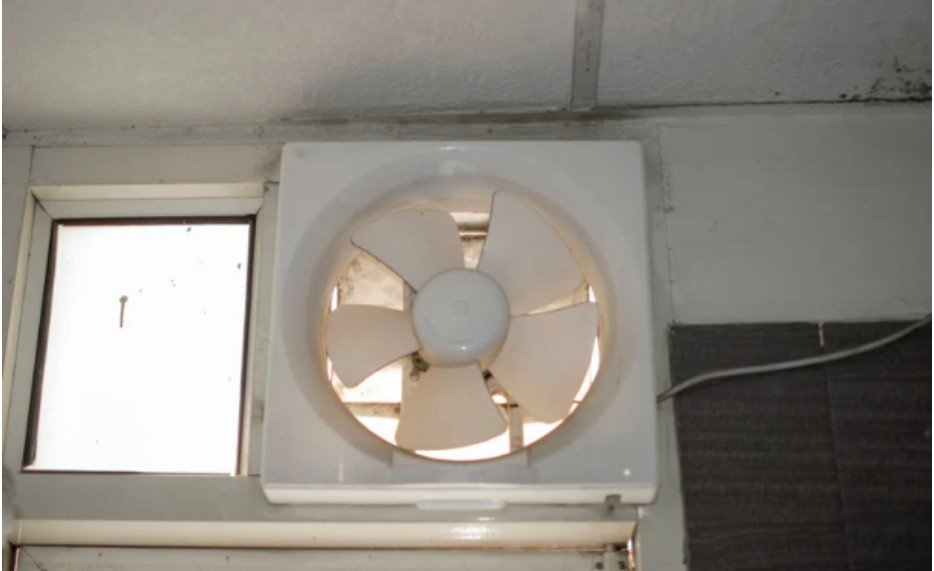
Bathroom and kitchen fans should carry humid or contaminated air outside. A fan that discharges into an attic, ceiling cavity, or enclosed cabinet can move the problem rather than solve it.
Hold a lightweight tissue near the grille while the fan runs. Weak suction may indicate a dirty cover, obstructed duct, failing motor, or excessive duct length. Outside, check whether the vent flap opens during operation, provided it can be reached safely.
Range hoods that recirculate filtered air can reduce grease and some odors, but they do not remove moisture as effectively as units vented outdoors.
10. Energy Bills Rise Without a Clear Cause
Humidity and poor airflow can make rooms harder to heat or cool. The HVAC system may then run longer while comfort remains inconsistent. Clogged filters, duct restrictions, neglected equipment, and ventilation problems can all increase operating costs.
Compare energy use with similar months from previous years while considering weather and rate changes. A sudden unexplained increase is a reason to inspect the complete system rather than replacing one component immediately.
How to Check Ventilation at Home
Start by recording when and where problems occur. Use a basic hygrometer to compare humidity in bathrooms, bedrooms, and living spaces. Inspect exhaust outlets, confirm that vents are open, and keep furniture away from grilles.
Watch how quickly steam and odors clear after bathing or cooking. If several warning signs appear together, arrange an assessment by a qualified ventilation, HVAC, or building professional. Depending on the property, testing may include airflow measurements, duct inspection, pressure testing, moisture readings, and combustion-safety checks.
Never rely on smell to detect carbon monoxide. Maintain working carbon monoxide alarms near sleeping areas and on the levels recommended by local safety guidance. If an alarm sounds or occupants experience sudden headache, dizziness, nausea, weakness, or confusion around fuel-burning equipment, leave the building and contact emergency services.
Frequently Asked Questions
1. What are the most reliable signs your home has poor ventilation?
Persistent window condensation, lingering odors, recurring mold, stuffy rooms, and weak exhaust performance are strong warning clues. Multiple symptoms occurring together provide better evidence than any single observation.
2. Can an air purifier correct poor ventilation?
An air purifier can capture certain particles, depending on its filter and size, but it does not normally bring outdoor air inside or remove excess humidity. It should complement ventilation rather than replace it.
3. Should bathroom fans run after a shower?
The fan should continue operating until visible steam and excess moisture have cleared. The necessary time depends on room size, fan capacity, duct condition, and humidity.
4. Can closed bedroom doors restrict airflow?
Yes. A closed room may receive conditioned air without having an adequate return path. Door undercuts, transfer grilles, or dedicated returns can help, but alterations should be evaluated properly.
Final Thoughts
I would treat recurring condensation, mold, stale odors, and indoor discomfort as connected evidence rather than isolated annoyances. Simple checks can reveal blocked vents or weak fans, but persistent problems deserve a complete diagnosis. By identifying the source instead of masking the symptoms, I can protect the building, improve comfort, and create healthier indoor conditions.