Renting does not mean I have to give up on a connected home. The best smart home upgrades for renters add convenience, security, comfort, and automation without hardwiring, drilling, or permanent structural changes.
You may see this approach called “zero-civil” in some markets, but for a US rental I prefer a simpler rule: choose plug-and-play, battery-powered, tabletop, or removable devices that can move with me when the lease ends.
What Makes a Smart Home Upgrade Safe for a Rental?
I judge renter-friendly tech by installation, damage risk, portability, and whether it can be restored easily. Realtor.com highlights portable lighting, speakers, doorbells, cameras, locks, and thermostats as practical rental upgrades.
The safest options plug in, screw into an existing bulb socket, sit on furniture, or use removable adhesive. Anything involving wiring, door hardware, HVAC equipment, or holes in walls deserves a lease check first.
Which Smart Lighting and Power Upgrades Need No Modification?
Are Smart Plugs the Easiest Upgrade for Renters?
Smart plugs can automate lamps, fans, coffee makers, and holiday lights without altering the outlet. Tapo offers compact models, while compatible devices can work with voice assistants and broader Matter ecosystems. Some Tapo models also include energy monitoring, which can help me identify unnecessary electricity use.
Should Renters Use Smart Bulbs Instead of Smart Switches?
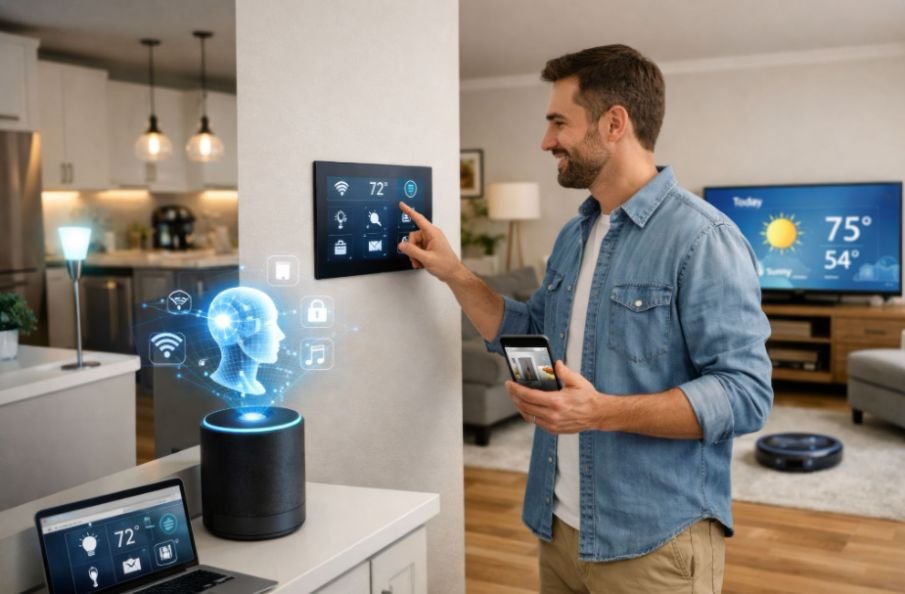
Usually, yes. Standard US fixtures commonly use E26 bulbs, so smart bulbs from Tapo, Philips Hue, and similar brands can add dimming, schedules, color control, and voice commands without touching electrical wiring.
Philips Hue supports Matter through its Hue Bridge, helping compatible lighting work across broader smart-home ecosystems. I also keep every original landlord-provided bulb in a labeled box so I can reinstall it before moving.
What Is the Best Smart Home Hub for a Rental Apartment?
A smart speaker or display can act as the control center without requiring wall mounting. An Amazon Echo Show 8 can handle voice routines and compatible smart devices, while Apple says the HomePod mini can operate as a home hub for HomeKit and Matter-enabled accessories.
That makes tabletop hubs especially practical for apartments because they can move from room to room—or to the next rental—with almost no setup changes.
Can Renters Make an Older AC or TV Smart?
Yes, if the appliance uses an infrared remote. An IR blaster such as the SwitchBot Hub Mini can learn compatible remote commands for air conditioners and TVs, giving older appliances app-based control without replacing them.
There is one limitation: infrared needs a suitable signal path and does not replace Bluetooth or RF remotes.
How Can Renters Add Security Without Drilling?
Can Indoor Cameras Work Without Wall Mounting?
A no-drill indoor camera can simply sit on a bookshelf, cabinet, mantel, or entertainment center. Tapo indoor cameras and similar freestanding options suit this setup well. Xiaomi’s Mi Home 360 is another familiar example globally, although US availability can vary.
I would prioritize privacy controls, local-storage options, and sensible placement instead of automatically choosing the camera with the longest feature list.
Can Door and Window Sensors Use Removable Adhesive?
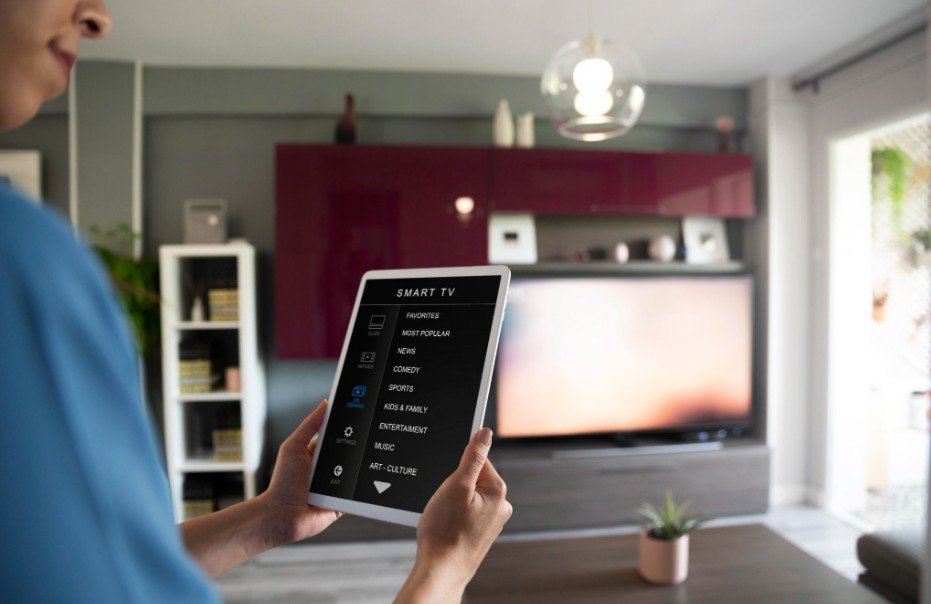
Battery-powered contact sensors can alert me when a door or window opens and can trigger other automations. IKEA sells Matter-based door and window sensors in the US that can report whether an entry point is open or closed. Portable security ecosystems from brands such as Arlo provide additional options.
For painted rental surfaces, I prefer removable pull-tab mounting methods instead of aggressive permanent adhesive.
Can a Renter Install a Video Doorbell?
Battery-powered video doorbells can work when the lease and building policies allow them. Ring offers no-drill mounts for compatible battery doorbells that attach with adhesive rather than requiring holes in the wall.
I would still check apartment rules before recording a shared hallway or modifying anything around the front door.
Which Portable Smart Devices Add the Most Comfort?
When I compare smart home upgrades for renters, I also consider motion sensors, smart curtain controllers, temperature and humidity sensors, and leak detectors.
These portable options build naturally on the broader smart home ideas without renovation that can improve convenience without requiring permanent changes.
A motion sensor can trigger hallway lighting after dark. Smart curtain motors can automate compatible existing curtains or blinds. Temperature sensors can reveal uncomfortable rooms, while a leak sensor near a sink, washer, dishwasher, or water heater can provide an early warning of moisture.
Robot vacuums and portable air-quality monitors are even simpler because they are completely portable.
Are Smart Locks and Thermostats Safe for Renters?
Retrofit smart locks can be easier to reverse than replacing an entire deadbolt because certain designs work with existing hardware. Still, I would ask the landlord before modifying any lock.
Smart thermostats require even more caution because installation can involve electrical wiring and HVAC equipment owned by the property.
My rule is simple: if an upgrade changes something the landlord owns, I get written approval first.
How Much Do Renter-Friendly Smart Devices Cost?
| Upgrade Type | Landlord Risk | Typical US Cost | Portability |
| Smart plugs and bulbs | Very low | $10–$50 | Excellent |
| Smart speakers and displays | None | $40–$150+ | Excellent |
| Sensors and portable cameras | Low | $15–$100+ | High |
| Battery doorbells and retrofit locks | Medium | $80–$300+ | High |
| Smart thermostats or hardwired controls | Medium to high | $80–$250+ | Medium |
These are approximate US retail ranges and can change by brand, features, and promotions.
Why Does Matter Matter for Renters?
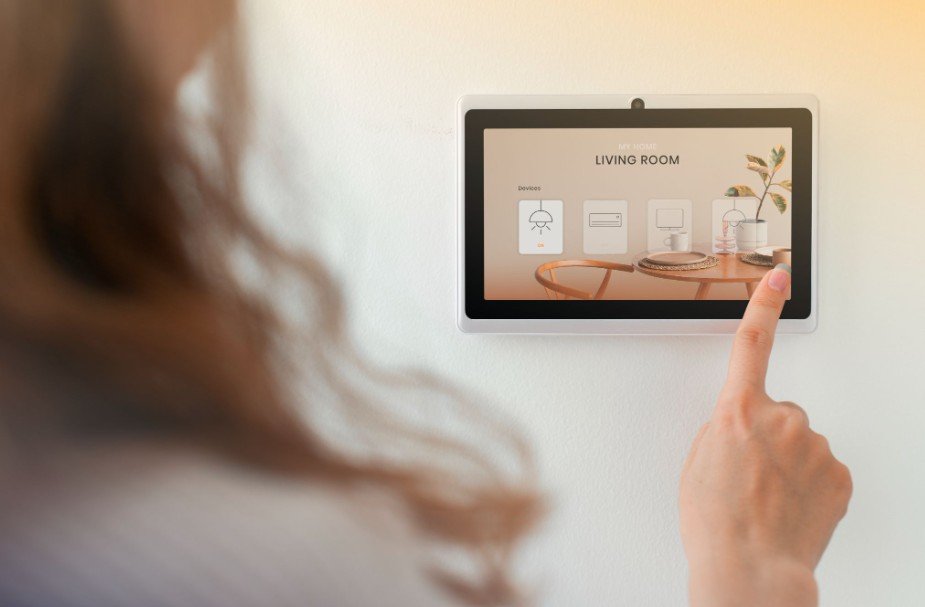
Matter is designed to improve compatibility between smart-home platforms.
For a clearer explanation of how this standard connects devices across different platforms, see what is Matter in smart home technology.
TP-Link supports Matter integration with ecosystems including Alexa, Google Home, Apple Home, and SmartThings, while Apple and Philips Hue also support Matter within compatible products.
That flexibility matters when I might change apartments, routers, smartphones, or preferred smart-home platforms in the future.
How Do I Protect My Security Deposit When Adding Smart Tech?
I keep original bulbs, remotes, screws, lock components, mounting pieces, and any other landlord-owned parts in one labeled box. I also photograph the original setup before making changes, avoid harsh adhesives, and restore everything before move-out.
Permanent cameras, drilled mounts, replacement outlets, hardwired switches, and HVAC modifications are projects I would avoid unless my lease specifically permits them.
Frequently Asked Questions
1. Can I Build a Smart Home in an Apartment Without Drilling?
Yes. Smart plugs, bulbs, speakers, tabletop cameras, leak sensors, robot vacuums, air-quality monitors, and many contact or motion sensors can work without drilling or permanent installation.
2. What Smart Devices Can I Take With Me When I Move?
Plug-in, battery-powered, tabletop, and removable retrofit devices are usually the easiest to move. Keeping the original hardware makes restoring the apartment much easier.
3. Do I Need My Landlord’s Permission for Smart Devices?
Usually not for freestanding or plug-in devices. Locks, thermostats, doorbells, exterior cameras, hardwired products, and anything that physically alters the rental may require permission.
4. What Should I Buy First for a Smart Rental?
I would begin with a smart plug, one or two smart bulbs, a smart speaker, and either a contact sensor or leak detector. Together, they provide useful home automation without committing to permanent changes.
Final Thoughts
The best smart home upgrades for renters solve everyday problems without creating move-out problems. I would prioritize portable lighting, power control equipment, sensors, voice assistants, and no-drill security before considering locks, thermostats, or anything connected permanently to the building.
With a thoughtful plug-and-play setup, a US rental can feel genuinely high-tech while the walls, wiring, lease, and security deposit remain protected.